
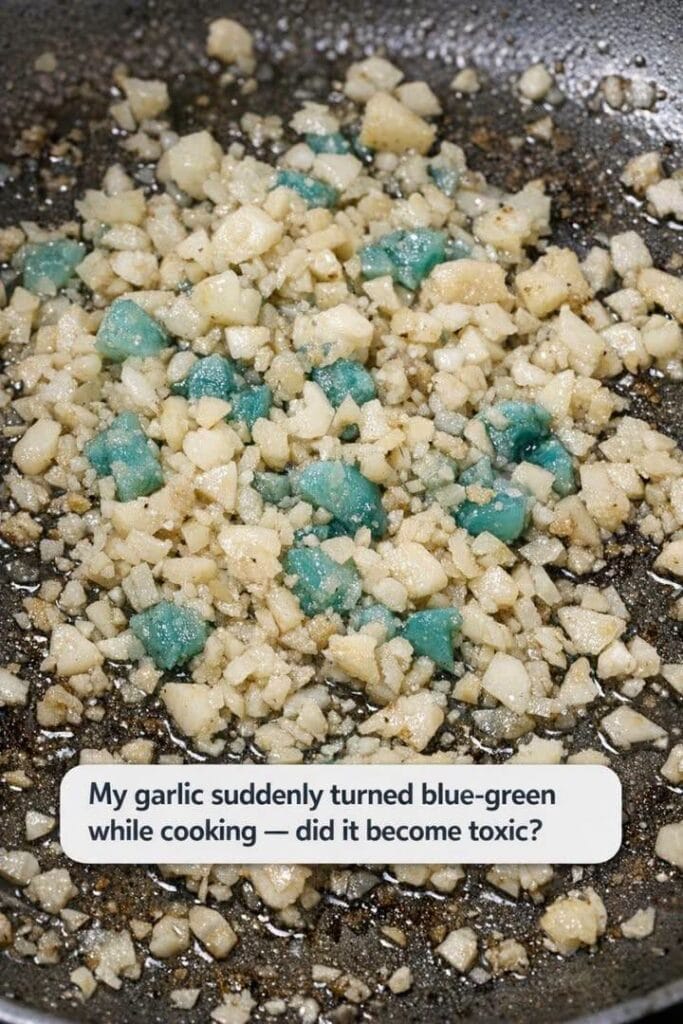
Garlic is a staple ingredient in kitchens around the world, celebrated for its distinctive aroma and flavor that can elevate a wide variety of dishes. However, for many home cooks, the sight of garlic turning an unexpected blue-green color in the pan can be alarming. This sudden chromatic transformation might lead to questions about the safety and edibility of the garlic. Is this a sign of spoilage, or could it even be toxic? Understanding the science behind garlic’s color changes can help alleviate these concerns and ensure that your culinary creations remain both delicious and safe.
In this article, we’ll explore the reasons why garlic can change color during cooking, delving into the chemistry of its natural compounds and how they interact under different conditions. We’ll also address common myths and misconceptions about discolored garlic, providing guidance on when it might be cause for concern and offering tips to prevent unwanted color changes in the future.
1. Why Garlic Can Suddenly Turn Blue-Green in the Pan
The phenomenon of garlic turning blue-green is primarily a chemical reaction involving the sulfur compounds naturally present in garlic. When garlic is cut or crushed, its cells are broken, releasing an enzyme called alliinase. This enzyme converts alliin, a sulfur-containing compound, into allicin. Under certain conditions, such as exposure to acidic ingredients or changes in temperature, these sulfur compounds can react with amino acids or other compounds present in the garlic or in the cooking environment, resulting in a blue or green pigment.
This reaction is more likely to occur when garlic is cooked with acidic ingredients like vinegar, lemon juice, or even tomatoes. The acidity can exacerbate the reaction, leading to a more pronounced color change. Additionally, the presence of certain metals, like copper or aluminum, in the cooking utensils can also catalyze the reaction, further contributing to the color change.
2. The Science: Sulfur Compounds, Acids, and Natural Pigments
The blue-green color change in garlic is primarily due to the formation of anthocyanins, which are natural pigments also found in other plants. These pigments are stable in acidic environments, which is why the color change is often observed when garlic is cooked with acidic ingredients. The sulfur compounds in garlic can also form complexes with amino acids, creating pyrroles, another set of compounds responsible for the color shift.
Temperature plays a significant role in this reaction. When garlic is exposed to heat, the breakdown of its sulfur compounds accelerates, facilitating the formation of colored pigments. Interestingly, the specific type of garlic and its growing conditions can also influence how prone it is to color changes, with certain varieties more likely to exhibit this reaction due to variations in their chemical makeup.
3. Common Cooking Situations That Make Garlic Change Color
Several common cooking scenarios can cause garlic to change color. One frequent situation is the preparation of pickled garlic, where cloves are immersed in vinegar or brine. The acidic environment of the vinegar can prompt a color change over time. Similarly, when garlic is cooked in dishes containing acidic ingredients like tomatoes or citrus, the combination of heat and acid can lead to discoloration.
Another common situation is when garlic is cooked with high-sulfur ingredients such as onions or leeks. The interaction between the sulfur compounds in these ingredients can enhance the likelihood of a color change. Additionally, using older garlic that has developed sprouts or has been stored for extended periods can be more susceptible to color changes due to the altered chemical composition of the cloves.
4. Does Blue-Green Garlic Mean It’s Toxic or Unsafe to Eat?
The blue-green color change in garlic is generally harmless and does not indicate that the garlic has become toxic or unsafe to eat. The pigments formed during this reaction are not harmful to humans and are similar to the natural pigments found in many other edible plants. In fact, in some cultures, such as in Chinese cuisine, blue-green garlic is not only considered safe but is sometimes desired for its unique appearance.
However, it’s important to use your senses to ensure that the garlic is still fresh and has not spoiled. If the garlic has a sour or unpleasant odor, shows signs of mold, or appears mushy, it should be discarded. The color change alone, in the absence of other signs of spoilage, is not a cause for concern.
5. When Weird Garlic Colors Might Signal a Real Problem
Although the blue-green color change is usually harmless, there are instances where unusual colors in garlic might indicate a problem. If the garlic has developed patches of dark brown, black, or has visible mold, it should not be consumed. These colors can indicate spoilage or contamination by fungi, which can produce harmful mycotoxins.
Additionally, if garlic has been improperly stored or has been exposed to moisture, it might develop an off smell or become slimy, which are clear signs that it should be discarded. Proper storage is key to maintaining garlic’s freshness and preventing spoilage-related color changes.
6. How Acidity, Salt, and Temperature Affect Garlic’s Color
Acidity plays a significant role in garlic’s color transformation. Acidic ingredients like vinegar or lemon juice can enhance the formation of pigments by providing a stable environment for the chemical reactions to occur. Salt, while not directly causing color changes, can influence the ionic balance in garlic’s cells, potentially affecting the rate of these reactions.
Temperature is another crucial factor. High temperatures accelerate the breakdown of sulfur compounds in garlic, making it more susceptible to color changes. Cooking garlic at moderate temperatures or adding it towards the end of the cooking process can help mitigate these effects. Conversely, rapidly cooling garlic after cooking can also prevent the pigments from developing further.
7. Fresh vs. Old Garlic: Which Cloves Are More Likely to Turn Blue?
Fresh garlic is generally less likely to turn blue-green compared to older garlic. This is because fresh garlic contains a higher concentration of moisture and less of the enzymes and compounds that contribute to the color change. Over time, as garlic ages, it loses moisture, and its chemical composition changes, making it more susceptible to discoloration.
Sprouted garlic, which is older and has started to grow green shoots, is especially prone to turning blue-green when cooked. The sprouting process alters the balance of compounds within the garlic, increasing the likelihood of pigment formation. Therefore, for recipes where color is a concern, using fresher garlic is advisable.
8. How Different Cuisines Use (and Even Embrace) Blue Garlic
In some cuisines, the color change in garlic is not only accepted but embraced as a unique characteristic. For example, in some areas of China, pickled garlic that turns a bright turquoise or blue is a traditional delicacy, prized for its unusual appearance and tangy flavor. This form of garlic is often served as a side dish or used to add visual interest to meals.
Similarly, in Korean cooking, garlic is sometimes fermented to achieve specific flavor profiles, during which color changes may occur. These culinary practices demonstrate that color changes in garlic can be culturally appreciated and are considered a normal part of the cooking process in various traditional dishes.
9. Simple Cooking Tricks to Prevent Garlic From Turning Blue-Green
To prevent garlic from turning blue-green, consider adjusting the acidity and temperature during cooking. Adding garlic towards the end of the cooking process can reduce its exposure to heat, minimizing the likelihood of color changes. Using nonreactive cookware, such as stainless steel or cast iron, can also help prevent unwanted reactions with metals that may catalyze discoloration.
Another tip is to blanch garlic briefly before using it in recipes with acidic ingredients. This process can help denature the enzymes responsible for the color change. Additionally, using fresh garlic and ensuring it is stored properly can reduce the chances of discoloration.
10. Safe Storage Habits to Keep Garlic Stable and Flavorful
Proper storage is essential to maintain garlic’s freshness and prevent spoilage. Garlic should be stored in a cool, dry place with good air circulation, such as a pantry or a well-ventilated cupboard. Avoid storing garlic in the refrigerator, as the moisture can promote sprouting and mold growth.
If you have peeled or minced garlic, it should be stored in an airtight container in the refrigerator and used within a few days. For long-term storage, garlic can be frozen, but this may alter its texture and flavor. Dehydrating or pickling garlic are other methods to preserve it while preventing spoilage.
11. What Food Scientists Say About Eating Discolored Garlic
Food scientists generally agree that garlic’s color change due to chemical reactions is not harmful. The pigments formed are considered safe to eat, as they are similar to those found naturally in other foods. However, they emphasize the importance of ensuring the garlic is still fresh and free from spoilage before consumption.
Research into garlic’s chemical composition continues to provide insights into its behavior during cooking, with studies focusing on optimizing storage and cooking methods to maintain its flavor and nutritional benefits. The consensus is that while color changes can be surprising, they are part of garlic’s natural response to various cooking conditions.