
The Kitchen Table Debate
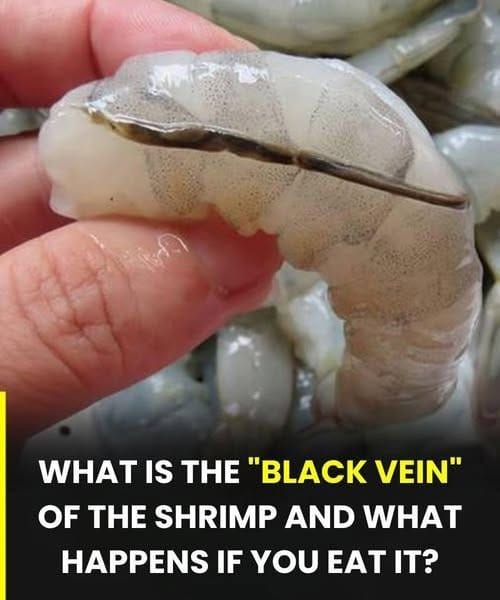
You’re standing at your kitchen counter, a pile of beautiful, fresh shrimp in front of you. You’re ready to whip up a world-class scampi or a sizzling stir-fry. But as you peel back the first shell, you see it—that thin, dark, slightly off-putting line running right down the center of the shrimp’s back. You’ve heard people call it a “vein,” and you’ve seen chefs meticulously pull it out, but is it really worth the effort? Or is it just another food myth passed down through generations of nervous home cooks?
In 2026, as we become more obsessed with the “Farm-to-Table” (or “Ocean-to-Plate”) journey, these tiny details matter more than ever. We want to know exactly what we’re putting into our bodies, and that “vein” is a source of constant discussion.
Is it dangerous? Does it change the taste? And what is it actually made of? The truth behind the shrimp “vein,” the little-known biology of your favorite seafood, and the 2026 protocol for the perfect bite.
1. The Biological Truth: It’s Not a Vein
Let’s clear up the biggest misconception right away. Despite the common name, that dark line is not part of the shrimp’s circulatory system.
The Digestive Tract: The “vein” is actually the shrimp’s intestine, or digestive tract. It runs along the upper part of the body and carries everything the shrimp ate before it was harvested.
=
What’s Inside: Depending on where the shrimp lived and what it was snacking on, that line might contain remnants of algae, plankton, or even tiny particles of sand and grit from its environment.
The Color Palette: This is why the line isn’t always the same color. It can range from dark brown to jet black, depending entirely on the shrimp’s last meal.
2. The Safety Question: Is It Dangerous?
This is the question that keeps home cooks up at night. If you miss a few veins, are you going to get sick?
The Heat Shield: From a strict food safety perspective, eating the “vein” is generally considered safe, provided the shrimp is fresh and thoroughly cooked. High cooking temperatures are incredibly effective at eliminating harmful bacteria.
Digestive Comfort: While not “toxic,” some people with very sensitive digestion find that removing the vein reduces minor discomfort. It’s a small step toward a cleaner, more refined meal.
The Freshness Clue: In 2026, we use the vein as a visual indicator. A very dark, prominent vein can sometimes suggest the shrimp wasn’t handled as well after being caught, whereas a lighter vein is often found in fresher catches with a cleaner diet.
3. The Culinary Impact: Flavor and Grit
If it’s not dangerous, why do pro chefs spend hours pulling them out? The answer lies in the eating experience.
The “Gritty” Factor: Because the intestine can contain sand and mud, leaving it in often results in a “crunchy” or gritty texture that can ruin a delicate dish.
Bitterness: The waste products inside the vein can impart a slightly bitter or “muddy” aftertaste, especially in clean preparations like grilling or sautéing.
Visual Appeal: In fine dining, presentation is everything. A clean, deveined shrimp looks elegant and professional, whereas a dark, visible line can look unappetizing to guests.

4. The “Other” Line: The One You Can Ignore
If you flip the shrimp over, you might see another line running along the belly.
The Blood Vessel: The channel on the underside of the shrimp is an actual blood vessel.
No Waste: This part does not contain waste or grit and poses no risk to the flavor or safety of your dish.
Leave It Alone: There is no need to remove this line; focusing on the back “vein” is the only relevant step in your prep work.
5. Nana’s Wisdom: “A Clean Kitchen is a Respectful Kitchen”
Nana grew up near the coast, and she treated seafood with a level of respect that bordered on religious. She never “skipped” a step, especially not the deveining.
She used to tell us, “If you’re too lazy to clean the shrimp, you’re too lazy to taste the ocean. You don’t serve a guest the parts that the shrimp didn’t want, so why would you eat them yourself?” She believed that the time spent deveining was a way of honoring the ingredient.
She’d see a bowl of “un-deveined” shrimp and say, “That’s just sand waiting to ruin a good Sunday. You get your toothpick out and you show that shrimp some manners. A little bit of work now saves a whole lot of ‘crunching’ later.” Nana had a rule: The “Large-Small” Rule. She’d say, “If the shrimp is smaller than your pinky nail, leave it be—it’s too small to worry about. But if it’s a ‘jumbo,’ you treat it like a king and clean his back.” Nana knew that the secret to great cooking was never being “too busy” for the small details.
The Takeaway: A Small Step for a Big Result
Deveining isn’t about fear; it’s about craft. By taking a few extra seconds to remove the digestive tract with a shallow cut or a toothpick, you ensure a smoother texture, a cleaner flavor, and a professional look.
In 2026, we don’t just “cook to eat”—we cook to experience. And a grit-free, perfectly cleaned shrimp is a tiny luxury everyone deserves at their table.
Are you a “Strict Deveiner,” or do you think life is too short to worry about a tiny black line? Has Nana’s “Large-Small Rule” ever saved you time in the kitchen?